Navigating Cancer: Essential Strategies for Survival and Wellness
Empowerment is not just a word; it’s a lifeline for those navigating the turbulent waters of cancer. The journey from diagnosis to survivorship can feel overwhelming. Yet, education and support can transform the experience, offering patients tools to regain control. As a survivor once shared, 'Knowledge is my sword; I'd rather fight with it than be defined by my malignancy.' This blog dives into key insights and cancer strategies that empower patients; let us shed light on the pathways to wellness and resilience in the face of carcinoma.
Let’s face it—when you hear the word 'cancer,' the emotions can swirl like a tempest. The fear of facing oncologists, the potential for radical treatment options like chemotherapy or radiation therapy, and the burden of countless medical decisions can be paralyzing. But here’s where the first step lies: education. By arming yourself with health information, attending patient education workshops, or joining cancer support groups, you create a knowledge base that will guide your decisions and enhance your treatment journey. What if you could turn dread into determination?
Understanding your treatment options is empowering. From novel immunotherapy approaches that harness your immune system to targeted therapies aimed at specific tumor profiles, cancer patients today have more paths to explore than ever before. But how do you navigate these waters? Participate in clinical trials to access cutting-edge treatments and be part of a larger movement toward better cancer prevention and survivorship. It’s crucial to engage with your oncologist—become your own best advocate. Are you taking full advantage of your power to ask questions and seek second opinions? Remember, your voice matters in this healthcare discussion.
Symptom management can often be the most challenging aspect of living with cancer. The spectrum of side effects can range from the physical to the emotional, requiring a holistic health approach. Embrace wellness tips that incorporate nutrition, mindfulness, and physical activity tailored to your capabilities. Exercise releases endorphins, often dubbed 'happy hormones,' helping to combat anxiety. Have you considered activities like yoga or meditation? The ability to influence your body’s response to treatment can be profoundly empowering.
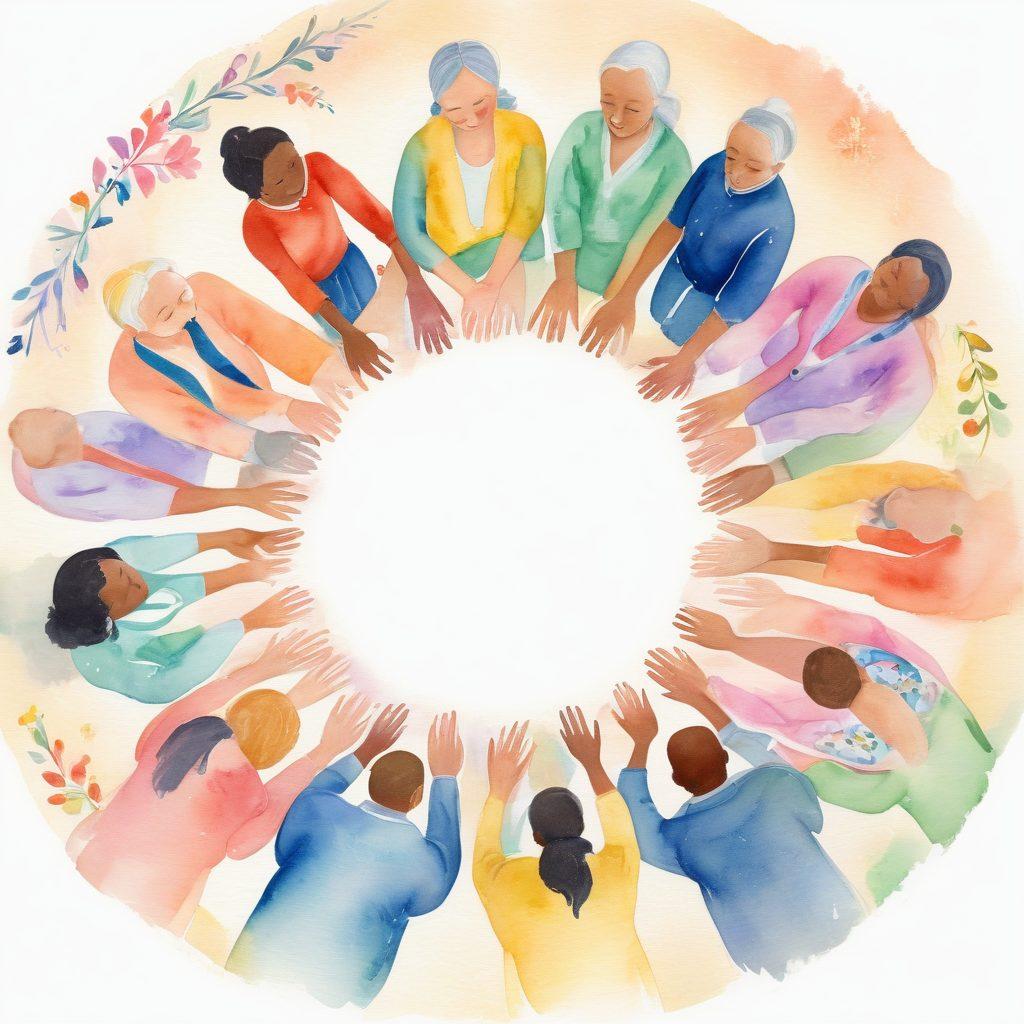
Lastly, never underestimate the role of community. Cancer support groups provide an invaluable source of encouragement; within these circles, shared experiences weave a rich tapestry of hope and understanding. As you share stories of triumph and heartache, bonds form that bolster resilience, reminding you that no one walks this path alone. Cancer advocacy extends beyond your individual journey—it encompasses a collective mission for improved healthcare protocols and understanding. How can you contribute to this cause? Whether by sharing your story or participating in awareness campaigns, your involvement can inspire others and result in substantial change.
From Diagnosis to Treatment: A Comprehensive Guide to Cancer Wellness
Navigating the stormy seas of cancer can feel daunting, especially when faced with the whirlwind of emotions and decisions that come from a diagnosis. Whether you or a loved one has received news of a malignancy, that moment can signal a drastic change in life. As we embark on this journey together, it’s essential to embrace knowledge, find strength in community, and explore the many avenues of healing and survivorship available. With vital health information and support, you can build a pathway from diagnosis to treatment that fosters both resilience and hope.
Understanding the intricacies of oncology and the various treatment options—such as chemotherapy, radiation therapy, and cutting-edge immunotherapy—is crucial for effective symptom management and making informed decisions. Not all tumors are created equal; every carcinoma presents its unique challenges. This is where patient education becomes your ally. Engage with oncologists who prioritize sharing insights and options that resonate with your values and lifestyle. Ask questions—lots of them. Remember, your voice deserves to be heard on this journey.
But what if the road to wellness isn't solely about medical interventions? It's also about nurturing your holistic health. Survivorship is not just about outliving cancer; it’s about thriving. Embracing wellness tips from integrating healthy nutrition into your diet to exploring mindfulness practices and stress-relief techniques can make the journey more manageable. Have you ever tried journaling to express your feelings? Or perhaps joining a cancer support group to share experiences with others can uplift your spirit?
As you contemplate these strategies, think about the power of community. Cancer advocacy organizations and cancer support groups can be a beacon of light during turbulent times. Lean on these resources, as they connect you to shared experiences, emotional support, and practical coping strategies. Have you found comfort in sharing your experiences with fellow patients? Reflect on the strength that comes from friendships formed in adversity.
Clinical trials can also present exciting opportunities for those living with cancer. They often lead to innovative treatment options that could be pivotal in your healthcare journey. As you navigate your decisions, weigh the potential benefits and risks with your healthcare team. So, how will you harness the tools available to you? From comprehensive cancer prevention strategies to actively participating in clinical trials, the steps you take today can shape your tomorrow. Remember, this journey may be challenging, but with determination, knowledge, and support, it can also be one of profound personal growth and resilience.
Building a Support Network: Navigating the Journey of Living with Cancer
The journey of living with cancer can feel like a winding road—full of unexpected turns, steep climbs, and sometimes, exhilarating descents. It's a rollercoaster that no one chooses to ride, yet countless people find themselves strapped in for the long haul. One of the most critical aspects of this journey is the support network built along the way. Whether you're dealing with a carcinoma diagnosis, undergoing chemotherapy, or seeking information about clinical trials, having a team of support can make a significant difference in your experience. After all, who wouldn’t want friends and family cheering them on in the face of malignancy?
Picture this: you've just received your diagnosis, and the world feels heavy. You're confronted with terms like tumor, immunotherapy, and symptom management. Many people in these situations often forget to take a deep breath. But this is where building a support network becomes essential. It starts with patient education—gaining health information to understand your condition. This knowledge can empower you to advocate for yourself when navigating the complex labyrinth of oncology, treatment options, and palliative care.
How do you begin creating this support system? Start small. Reach out to friends who are willing to listen, share experiences, and offer encouragement. Consider joining cancer support groups that resonate with you. These communities often serve as a beacon of hope amid the chaos. You’ll meet others who are also living with cancer, having faced similar fears and uncertainties. As you connect with them, you’ll not only gain insight into effective cancer strategies but also find that you are not alone in this fight.
The first rule of support comes down to communication. Be open about your feelings, your struggles, and your victories, no matter how small. A catchphrase I often hear among survivors is, 'It takes a village to fight cancer.' Whether you are adhering to wellness tips or managing the side effects of radiation therapy, make sure your support network knows what you are going through. Their love and understanding can be the anchor during those difficult days. Remember, you are stronger when you share your journey with others.
Lastly, let’s not forget the power of advocacy. As you navigate this path to survivorship, consider taking up the torch for cancer prevention and awareness in your community. Join forces with medical blogs, participate in health initiatives, or even engage in social media discussions. By sharing your story and listening to the experiences of others, you can transform your burden into hope for those just beginning their own journeys. In the end, you’ll find that thriving while living with cancer is more than possible—it's empowering.